
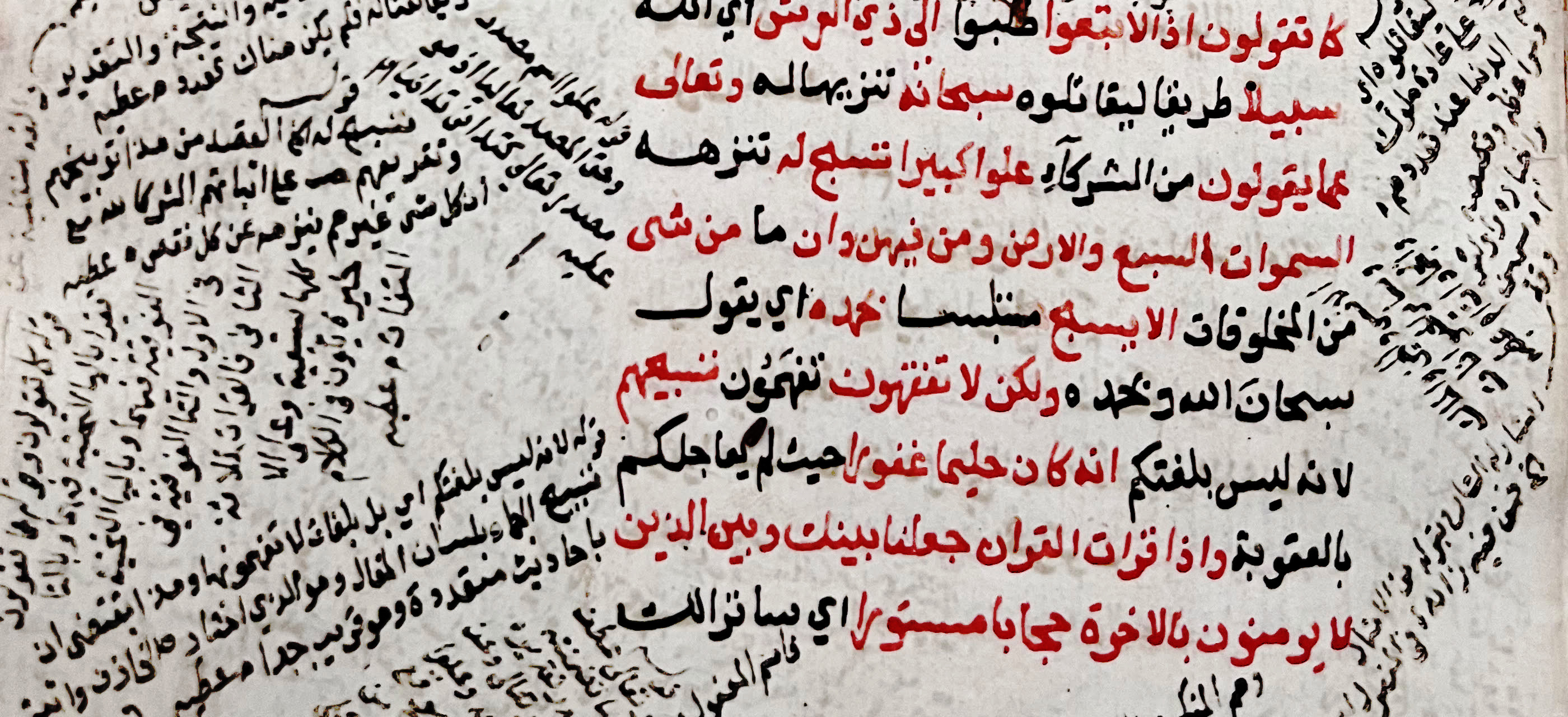
المطبعة السلطانية في زنجبار (1879-1964م)
Contenu
- Titre
- المطبعة السلطانية في زنجبار (1879-1964م)
- Sujet
- Imprimerie -- Zanzibar
- Résumé
- The study addresses the Omani cultural and intellectual movement in East Africa during the reign of Sultan Barghash bin Said (1870–1888), and his desire to achieve an Omani intellectual renaissance in East Africa, specifically in Zanzibar. This was pursued through the introduction of the printing press, which marked a unique transformation that contributed to the outreach of Omani and Arab culture. The study addresses the factors that led to the emergence of the idea of the Royal Printing Press, highlight its most significant intellectual publications, and explain its impact in Zanzibar’s society specifically, and in East Africa in general. The importance of the research lies in shedding light on the influence resulting from the establishment of the Royal Printing Press in East Africa. The research focus is reflected in presenting the reasons that led to the idea of introducing a printing press in Zanzibar, by exploring the contributing influences that supported the scientific and cultural renaissance in East African society and its role in stimulating intellectual thoughts and scientific awakening. The study will rely on the analytical method by examining and analyzing the conditions that played a role in motivating Sultan Barghash bin Said to introduce the printing press in Zanzibar and its impact on society. It will also utilize the descriptive method by presenting the most prominent productions, publications, and bulletins printed by the Royal Printing Press. The study concludes that the social environment in which the Omani Sultan grew up in, played a role in enhancing his interest in scientific and cultural pursuit. In addition, the cultural impact of the printing press extended through the preservation of Omani and Arab heritage through the diversity of its publications.
- Est une partie de
- مجلة هيرودوت للعلوم الإنسانية والاجتماعية
- Date
- 2025
- volume
- 9
- numéro
- 5
- pages
- 489-502
- Langue
- ara
Position : 56490 (6 vues)